


Does love last forever, or is it destined to fade into comfortable friendship? For decades, relationship experts have insisted that intense romantic passion has a built-in expiration date—typically 12 to 18 months. After that, we’re told, the fire inevitably dims into lukewarm companionship.
But groundbreaking neuroscience research suggests the cynics may be completely wrong.
Scientists at Stony Brook University decided to investigate whether romantic passion can truly endure by scanning the brains of couples married for an average of 21 years who still claimed to be “madly in love” [1]. What they discovered challenges everything we thought we knew about lasting romance.
Here are four mind-blowing discoveries about the neuroscience of enduring love.
1. The Brain Can Stay “In Love” for Decades
The most revolutionary finding: the brains of couples in love for decades showed nearly identical patterns to people who had just fallen in love. When these long-married partners viewed photos of their spouses, their ventral tegmental area (VTA) activated intensely—the same dopamine-flooded reward center that lights up in brand-new relationships [1, 2].
For years, scientists believed this dopamine surge was a temporary evolutionary mechanism that would naturally disappear. The brain scans proved otherwise: the craving, desire, and focused motivation driven by dopamine can persist for decades [1].

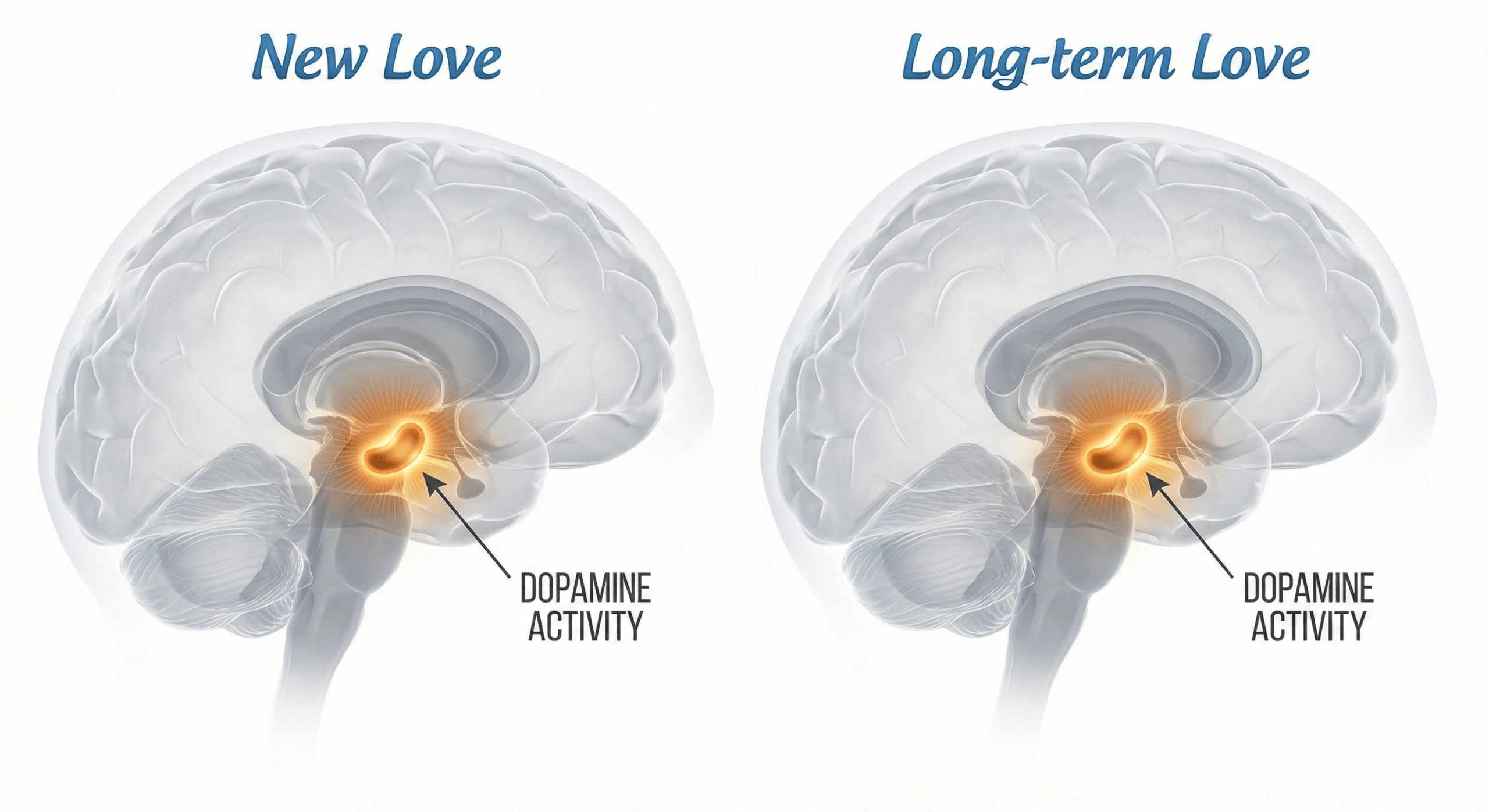
“Results showed activation specific to the partner in dopamine-rich brain regions associated with reward, motivation and ‘wanting’ consistent with results from early-stage romantic love studies. These data suggest that the reward-value associated with a long-term partner may be sustained, similar to new love.” [1]
2. Lasting Love Actually Gets Better: Passion Without the Anxiety
While long-term couples experienced the same dopamine rush as new lovers, they showed one critical advantage: their brains lacked the anxiety and obsession typical of early romance.
New love often hijacks the brain’s worry centers, creating an emotional rollercoaster of euphoria mixed with insecurity. Long-term couples, however, showed activation in the dorsal raphe and globus pallidus—areas rich in serotonin and opioids associated with calm and contentment [1].
The finding suggests that mature romantic love isn’t just sustainable—it’s actually an upgrade. You get the thrill without the fear.
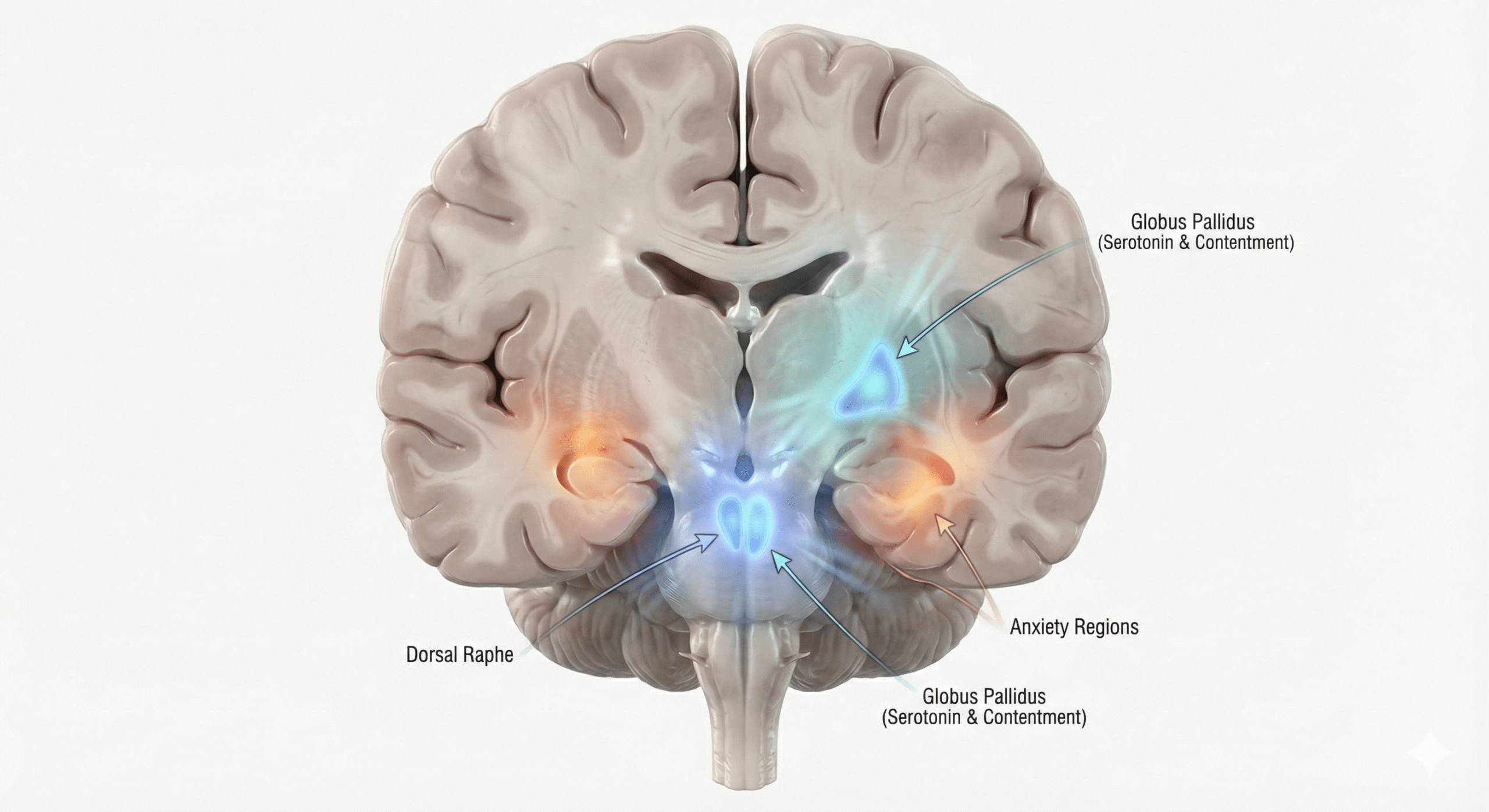
“Results for long-term romantic love showed recruitment of opioid and serotonin-rich neural regions, not found for those newly in love… These systems have the capacity to modulate anxiety and pain… [suggesting] greater calm associated with the latter.” [1]
3. Enduring Passion Requires Active Effort
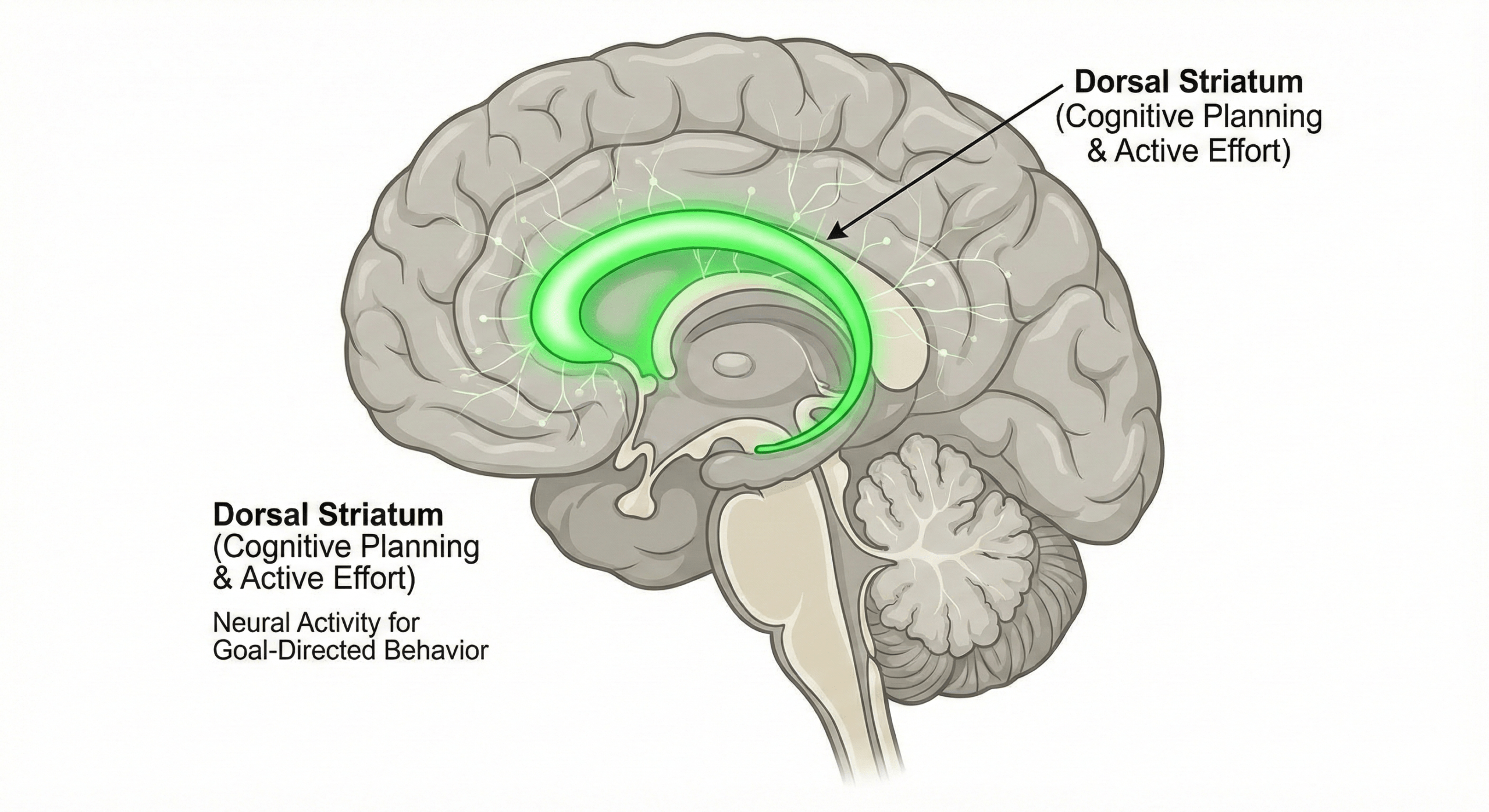
Brain scans revealed significant activity in the dorsal striatum, a region involved in goal-directed behavior and cognitive planning [1]. This means the brain treats lasting love not as a passive emotion, but as an active pursuit—something you continually strive toward.
We tend to think of love as something that just “happens” to us, but neuroscience suggests otherwise. Passion is a neurological reward that requires intentional cultivation.
This aligns with the “Self-Expansion Model” of relationships, which shows that couples maintain passion by engaging in novel, challenging activities together rather than just coexisting [1, 4].
4. Memory Fuels Physical Intimacy Over Time
For couples who reported frequent sexual activity even after decades together, researchers noticed heightened activity in the posterior hippocampus—the brain’s memory and learning center [1].
This suggests that physical passion in long-term relationships may depend less on hormones and more on the brain’s ability to encode and retrieve positive memories associated with your partner [1]. The more rewarding experiences you create together, the more your brain seeks to recreate them.
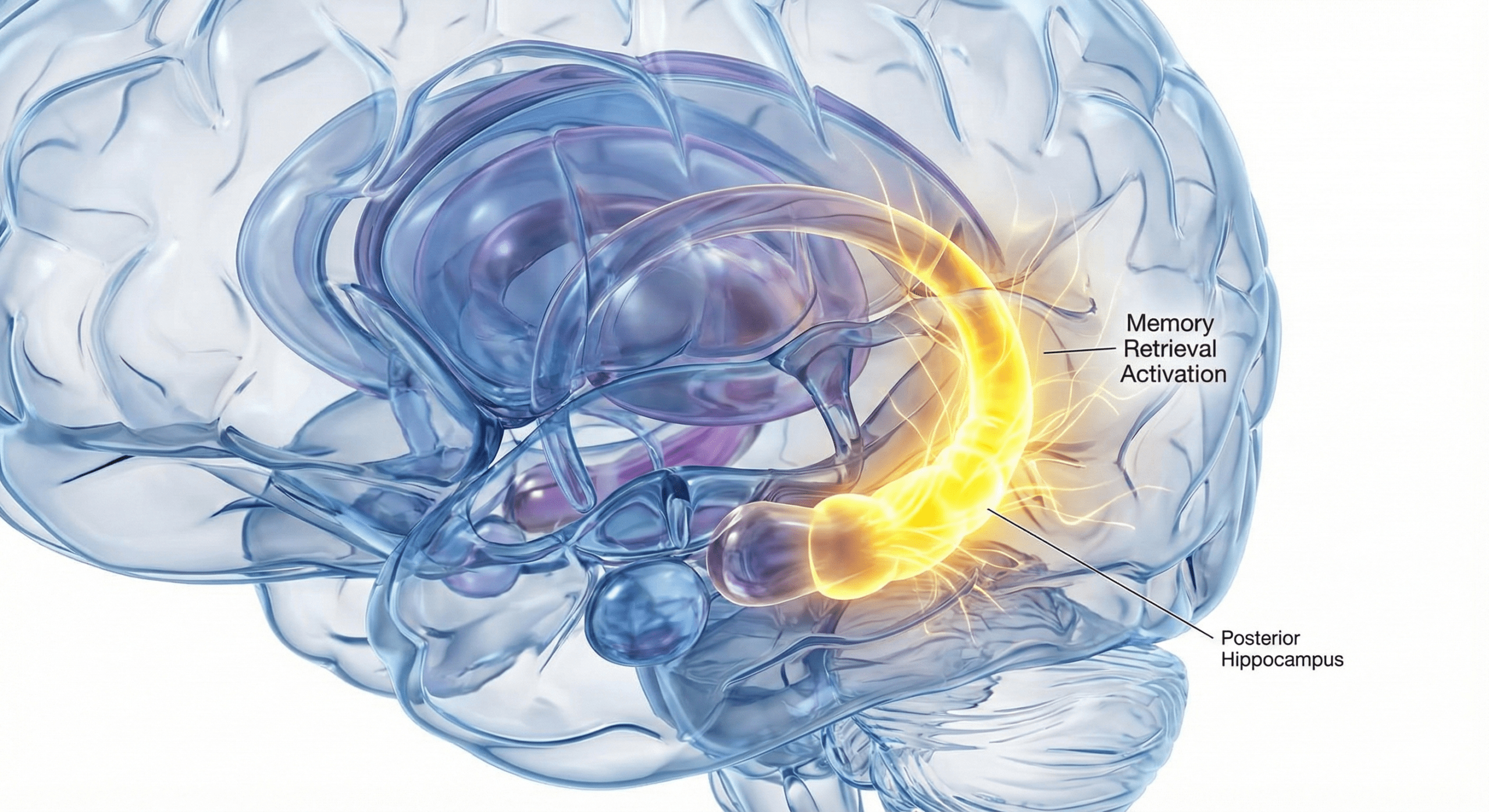
“Reward system studies suggest that the posterior hippocampus is an important structure in memory, perhaps of stimuli associated with primary rewards… [it] will be an interesting target for further investigation of relationship research.” [1]
So, Does Love Last Forever? The Science Says Yes
The scientific answer is clear: romantic passion can endure indefinitely—and it’s not a diluted version of early romance. Lasting love is a distinct neurological state that combines the dopamine-driven excitement of new love with the oxytocin-rich security of deep attachment [4].
We are not biologically programmed for boredom. The question isn’t whether love can last forever, but rather what habits and intentions help it flourish over decades.
References
- Acevedo, B. P., et al. (2012). Neural correlates of long-term intense romantic love. Social Cognitive and Affective Neuroscience.
- Aron, A., et al. (2005). Reward, motivation, and emotion systems associated with early-stage intense romantic love. Journal of Neurophysiology.
- Hatfield, E., et al. (2008). The Endurance of Love: Passionate and Companionate Love in Newlywed and Long-Term Marriages. Interpersona.
- Edwards, S. (2015). Love and the Brain. Harvard Medical School Publications.